

Here's What Our Tools Have Delivered on Real Projects

70% Cost Reduction

Formwork calculation cost per project

85% Faster Turnaround

From weeks to hours per project

$180K Avoided

Material waste eliminated on one project

icon
icon

The Problem: Manual Formwork Calculation Doesn't Scale

Large construction projects with complex concrete structures face formwork design bottlenecks that delay schedules and inflate costs.

Manual Calculations

Manual Calculations Take Days or Weeks

Calculating formwork requirements for a single high-rise floor requires measuring hundreds of concrete elements (columns, beams, slabs, walls), determining appropriate panel configurations, validating load capacities, and generating material takeoffs. This process typically takes:
• 2-3 days for simple residential floors
• 5-7 days for complex commercial structures
• 2-3 weeks for large industrial or infrastructure projects

Questions and answers, errors

Errors Cascade Into Material Waste

Manual formwork calculation introduces multiple error points where mistakes cascade into costly consequences:
• Measurement errors: Wrong concrete surface areas lead to insufficient or excess formwork panels ordered
• Panel selection mistakes: Choosing non-optimal panel sizes reduces reuse potential and increases material costs
• Load calculation errors: Underestimating concrete pressure can cause formwork failure; overestimating wastes material on unnecessary bracing
• Material list mistakes: Wrong tie counts or accessory quantities delay field installation and require emergency procurement

Engineering-first team

Expertise-Dependent Accuracy

Formwork calculation quality varies dramatically based on engineer experience and workload:
• Senior engineers with 10+ years experience produce optimal designs with good panel reuse
• Junior engineers make conservative (expensive) choices to avoid under-design
• Rushed calculations under deadline pressure introduce more errors
• Knowledge walks out the door when experienced engineers leave
• No standardization – each engineer applies different methodologies

design and design changes

Design Changes Require Full Recalculation

Late-stage structural changes – client requests, clash resolutions, value engineering – force complete formwork recalculation:
• Column repositioned? Recalculate affected formwork zones
• Beam depth changed? New load calculations and panel selection required
• Slab thickness modified? All formwork configurations must be redone

How We Deliver Formwork Automation

Every formwork automation project follows four phases – from paid Discovery that defines ROI before commitment, through a PoC against your real drawings, to fixed-price full deployment.

Step 1

Discovery (1-2 Weeks)

We audit your current formwork calculation workflow how many hours per project, which engineers, where errors occur, what your panel library looks like.

Deliverable: technical scope, architecture proposal, fixed-price quote, and ROI projection based on your actual project data.

Step 2

Proof of Concept (2-3 Weeks)

We build a working prototype that runs against your real AutoCAD drawings and your real panel library not a demo file with generic panels. You validate panel selection quality and reuse optimisation against your engineers’ best manual results before committing to full build.

Step 3

Full Build (6-10 Weeks)

Fixed-price development. Production deployment in your AutoCAD environment with your specific formwork system library (DOKA, PERI, ULMA, MEVA, or proprietary).

Step 4

Support & Evolution (Ongoing)

Compatibility-verified builds within 30-45 days of every new AutoCAD release. Panel library updates as your formwork supplier catalogue evolves. Bug fixes and feature additions.

Contact Us to Know More About Formwork Automation

Get Your Project Roadmap

Manual Formwork Calculation vs. Automated Formwork Calculation

Manual Process Automated
Calculation
turnaround
2–21 days depending on complexity Hours – 85% faster
Formwork cost accuracy Varies by engineer experience;
$180K+ waste on one analyzed
project
Algorithmic optimization – 70% cost reduction
Panel reuse optimization Pragmatic guesses; rarely optimal Combinatorial algorithm maximizes reuse across all pour stages
Impact of design changes Full manual recalculation – 1–3
days per revision cycle
Automatic recalculation from updated AutoCAD drawing
Dependency on
senior engineers
High – junior engineers make conservative, expensive choices Zero – consistent output regardless of who runs it
Scalability Hire more senior engineers (years
of training)
Same tool handles 1 project or 50
Output format Spreadsheets and manual material
lists
Procurement-ready panel layouts, material takeoffs, and load calculations – generated automatically


Results: Proven Impact on Project Economics

Real numbers from construction projects that deployed POSforAFS.

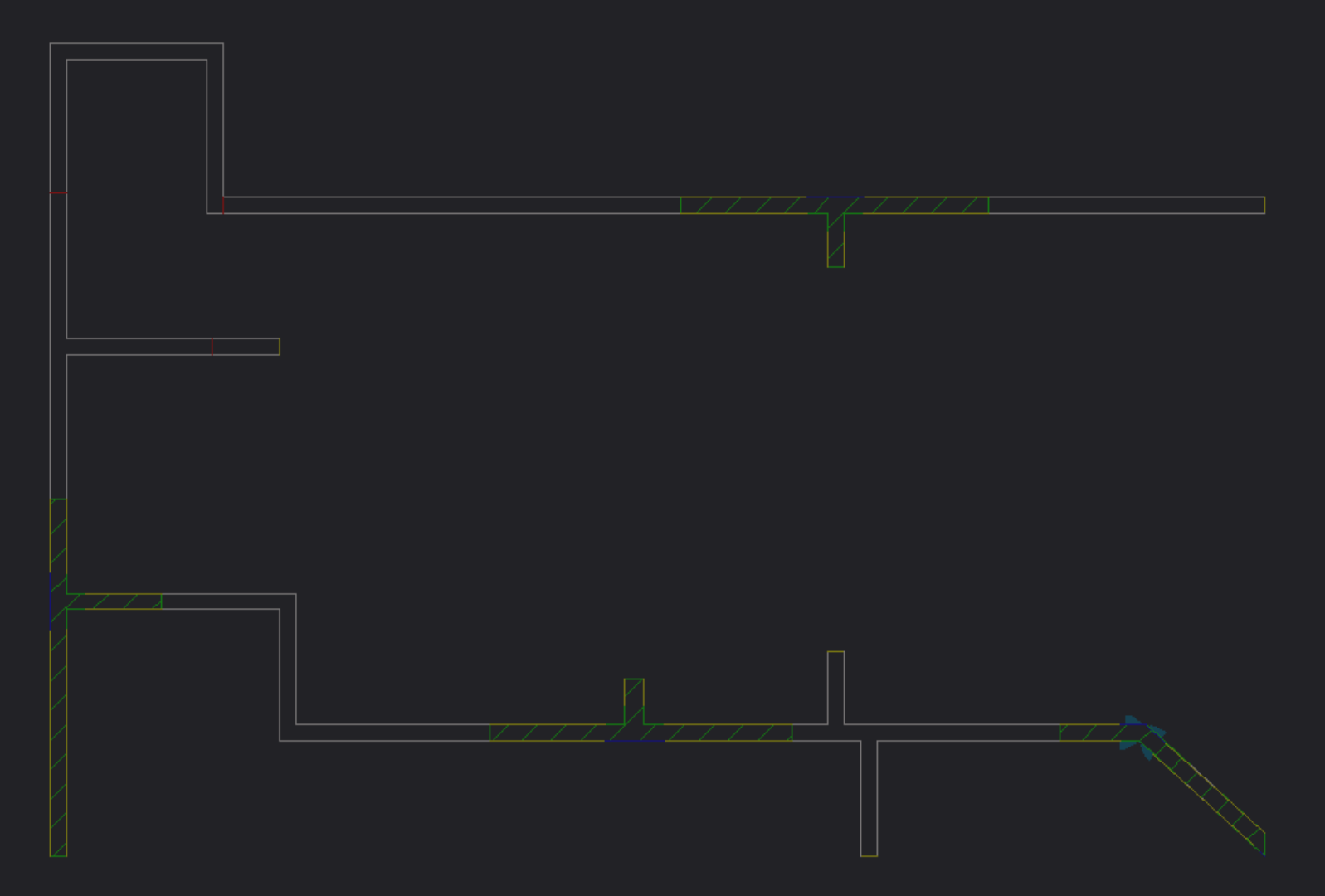
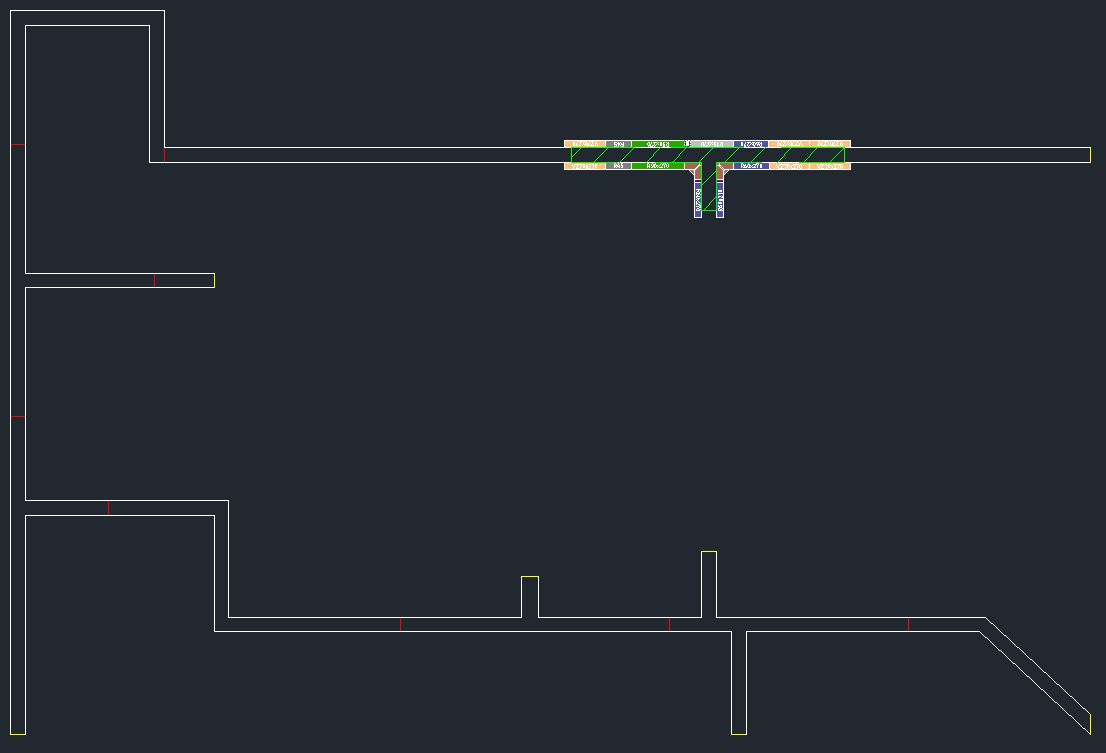
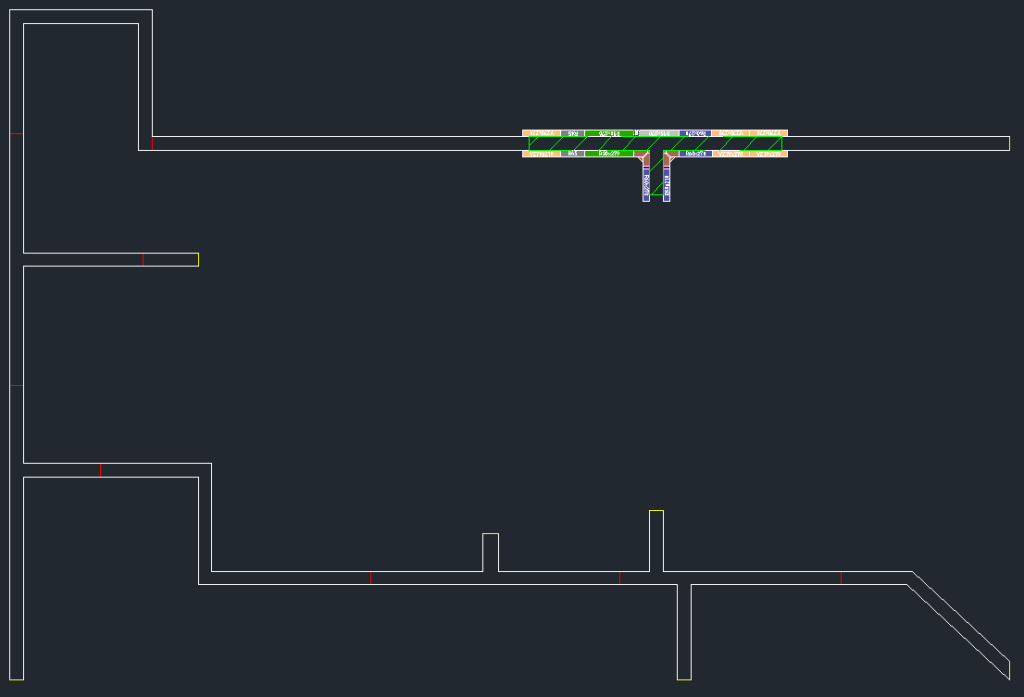
POSforAFS: Automating Formwork Calculations Directly Inside AutoCAD

Built on FormCalc, configured to the client’s proprietary panel system and rules.

An Israeli construction firm was spending 3 months per project on manual formwork calculations. Each engineer used a different method. Errors led to $180K in material waste on one project alone. Moreover, the company couldn’t grow without hiring more senior engineers – and those take years to train.

Result: 70% cost reduction. 85% faster turnaround. Engineers freed from calculation work entirely.

Read More About POSforAFS
POSforAFS: Automating Formwork Calculations Directly Inside AutoCAD

Technologies We Use

Autodesk AutoCAD logo AutoCAD .NET API
AutoLISP logo AutoLISP
AutoCAD Plant 3D logo Plant 3D SDK
ObjectARX C++ logo ObjectARX (C++)
C# logo C#
Microsoft .NET Framework logo .NET Framework
Microsoft WPF logo WPF

Investment and ROI

Formwork calculation automation is custom-engineered deployment, licensed and maintained as a living product. The system is built around your specific formwork supplier’s panel library (DOKA, PERI, or your proprietary system), integrated directly into your AutoCAD environment, and configured for your project types.

Typical deployment range: $40,000–$80,000 for a standard configuration covering columns, beams, slabs, and walls with one formwork system library.

Scope factors that affect investment: number of formwork systems to support, complexity of concrete geometry types (curved elements, irregular perimeters add engineering effort), and integration depth with existing procurement or ERP workflows.

When does it pay back? The POSforAFS deployment delivered 70% formwork cost reduction. On projects where manual calculation errors alone were generating $180,000 in material waste, the system paid for itself within the first two projects. For firms running 5+ formwork design cycles per year, ROI typically lands within 2–3 projects.

Every engagement starts with a free cost analysis based on your actual project data – not a generic estimate.

Why Choose InStandart for Formwork Automation?

Most CAD automation vendors don't go deeper than LISP scripts. Formwork optimisation is a combinatorial problem – it requires actual algorithms, not scripted shortcuts.

Combinatorial Optimisation, Not Lookup Tables

Generic formwork tools use lookup tables that match panels to common geometries. POSforAFS uses combinatorial optimisation – systematically exploring panel configurations across pour stages to find genuinely optimal reuse patterns. This is where the 70% cost reduction comes from.

Built Around Your Panel Library, Not Generic Components

DOKA, PERI, ULMA, MEVA – each formwork system has specific panel dimensions, connection hardware, and load ratings. We build the optimisation engine around your actual supplier catalogue, not theoretical components. Output is directly usable for procurement.

15+ Years Inside the AutoCAD API

We've shipped production code across every major AutoCAD API revision – ObjectARX, .NET API, Plant 3D SDK, AutoLISP. We know which API handles geometry-intensive calculation, which handles UI integration, and where each one breaks under real project loads.

Frequently Asked Questions

Ask Your Technical Question

How much does formwork calculation automation cost?

A standard deployment typically falls in the $40,000–$80,000 range, depending on scope: how many formwork systems you need supported, the complexity of your typical concrete geometries, and whether integration with procurement or ERP systems is required. We scope every project individually – the starting point is a free cost analysis using your real project data, not a generic quote.

How long does deployment take?

A typical deployment – from initial geometry analysis through AutoCAD integration, algorithm configuration, and engineer testing – takes 8–12 weeks. Projects with highly complex geometry types (curved elements, non-standard openings) or multiple formwork system libraries may take longer. You’ll have a working prototype running against your own drawings within the first 4 weeks.

What formwork systems does the automation support?

The system is built around your specific formwork supplier’s panel library – DOKA, PERI, ULMA, MEVA, or proprietary systems. Unlike generic calculation tools that use theoretical panel sizes, the optimization algorithm works with your real available components: actual panel dimensions, connection hardware, and load ratings. The output is directly usable for procurement without manual translation.

Can the system handle complex concrete geometries?

This is where automation provides the biggest advantage over manual methods. Irregular perimeters, openings, level changes, and curved elements create a combinatorial optimization problem that scales nonlinearly – exactly the kind of problem where manual calculation consistently underperforms. POSforAFS was specifically engineered for structures where generic tools break down and engineers default to conservative (expensive) choices.

What’s the typical ROI from formwork calculation automation?

The POSforAFS deployment delivered a 70% reduction in formwork calculation costs and 85% faster turnaround. One project we analyzed had $180,000 in material waste from manual calculation errors alone. For firms running multiple formwork design cycles annually, the system typically pays for itself within 2–3 projects. Beyond direct cost savings: senior engineers freed from repetitive calculation work, elimination of recalculation bottlenecks during design changes, and consistent output quality that doesn’t depend on who runs the calculation.

Does this replace our existing CAD workflow?

No. The system works inside AutoCAD – engineers continue working in their existing environment. POSforAFS reads structural geometry directly from the current drawing, so there’s no data export, no separate software to learn, and no workflow disruption. It replaces the calculation layer, not the engineering workflow.

What if our structural design changes mid-project?

Design changes are one of the biggest cost drivers in manual formwork calculation – each revision forces 1–3 days of full recalculation. With automation, recalculation triggers directly from the updated AutoCAD drawing. Column repositioned, beam depth changed, slab thickness modified – the system recalculates affected formwork zones automatically, keeping procurement timelines intact instead of adding days to the critical path.

Related CAD Engineering Solutions

If formwork calculation is one of several CAD bottlenecks in your organisation, you may also need:

CAD-ERP Integration (DesignBridge)

Sync formwork material takeoffs directly into SAP or ERP

DesignBridge Page

CAD Data Export & Reporting (DrawExtract)

Extract structural data from AutoCAD into structured Excel reports

DrawExtract Page

AutoCAD Plugin Development

Custom AutoCAD plugins beyond formwork

AutoCAD Plugin Development Page
icon
icon

How Much Is Manual Formwork Calculation Costing Your Projects?

Book a 30-minute call where we'll walk through one of your recent formwork designs – how long it took, how many engineers were involved, what errors occurred, and how much material was ordered.

38 Middlehill Road,
Wimborne, BH21 2SE

    What You’ll Get in 48 Hours After Discovery Call

    • Detailed analysis of your current formwork calculation workflow
    • Panel library compatibility assessment (DOKA, PERI, ULMA, MEVA, proprietary)
    • Technical approach and architecture recommendations
    • Development timeline with milestones
    • ROI projection based on your project economics
    • Implementation roadmap with fixed-price scope